What is AI slop – and why should NFPs know about it?
As misinformation and AI increase, it’s important that we equip ourselves with the skills to identify AI in the wild.
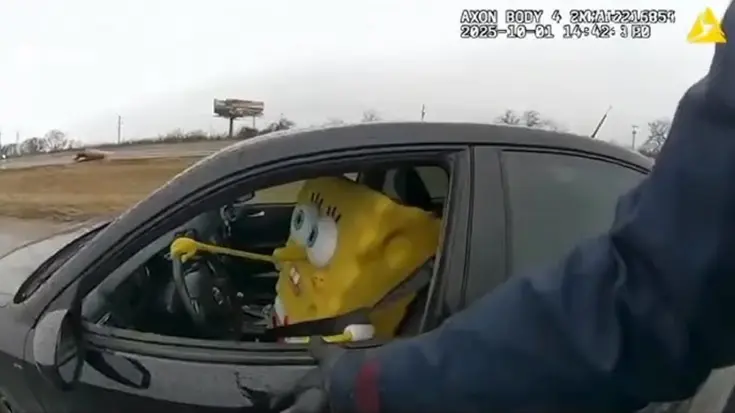
From SpongeBob SquarePants evading the police to misleading official-looking anatomical charts of animals (or people!), AI slop manifests itself in many ways. While some of this can be experienced as a fun laugh, AI slop can also be used dishonestly – or maliciously – to fool the general public.
What exactly is AI slop?
AI slop is low-effort, low-quality content created with little regard for accuracy.
As Adam Nemeroff described it in his article on The Conversation:
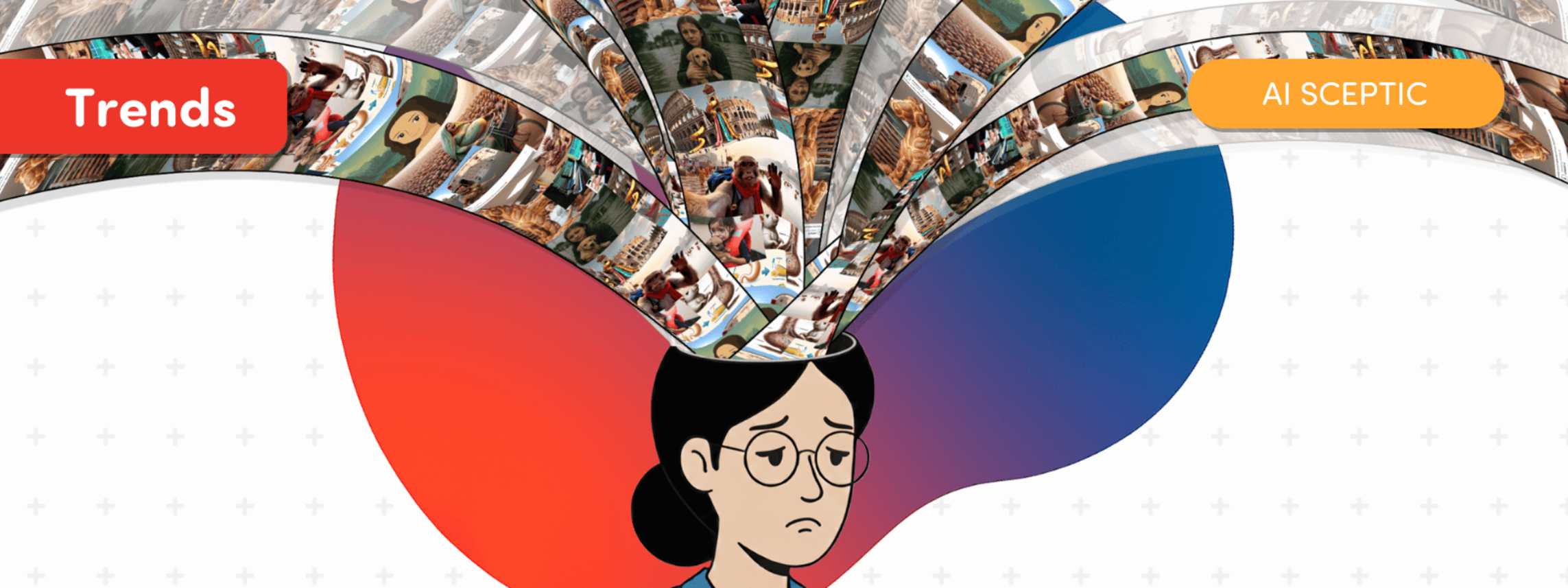
You’ve probably encountered images in your social media feeds that look like a cross between photographs and computer-generated graphics... Some are fantastical … and some are believable at a quick glance – remember the little girl clutching a puppy in a boat during a flood?
These are examples of AI slop, low- to mid-quality content – video, images, audio, text or a mix – created with AI tools, often with little regard for accuracy. It’s fast, easy and inexpensive to make this content. AI slop producers typically place it on social media to exploit the economics of attention on the internet, displacing higher-quality material that could be more helpful.
What are the dangers of AI slop for NFPs?
It’s easy to dismiss AI slop as a bit of fun, a quick funny meme or gag during your daily scroll, but there are serious implications and challenges that AI videos present online.
The first is the fast spread of misinformation. Having misleading – or plainly incorrect – information out in the wild can potentially create damaging messaging for people and organisations. As not-for-profits, this has potential to cause great disruption as we endeavour to make positive change for our communities. For instance, what started in the US and has now spread across the rest of the world is an AI prank where people are generating photos of “home intruders” at their front doors. Not only does this have the potential to create fear and waste the resources of local police, but it also perpetuates negative stereotypes around homelessness.
I’s also harmful to real artists looking to utilise social media to support their practice. The torrent of AI videos can easily overpower content developed by real artists, and algorithms are yet to catch up to really distinguish the difference between an artists post and an AI generated piece of media.
Additionally, there’s a social impact. We’re already seeing doubt expressed by users when consuming artists work, claiming work as AI generated when it hasn’t been. And if users are not savvy enough to identify the difference between AI generated or artist created work, then it builds a swell of people not recognising the value of art for the social fabric of our wider communities.
How to identify AI videos
What are some of the tells that give away AI in videos? We detail a few elements you can look out for to help identify potential AI slop below.
Notice the patterns and concept bleed
Are there unnatural patterns in the video? Are there multiple people in the background of the video that look the same? Concept bleed occurs in AI where it might generate very similar looking people repeatedly through one piece. Look out for matching faces, hair, shirt colours.
Upload date
If the video was uploaded before 2023, there’s a high chance that the video is not AI. One caveat to this is where you’re watching the video and seeing the upload date. Unlikely on large social media platforms like Facebook, TikTok or YouTube for someone to spoof a date, but if it’s on their own website they could be dishonest about the upload date.
Length of the video
AI generated videos are rarely longer than 10 seconds. So if the video is shorter than 10 seconds or has multiple clips that change at the 10 second mark, there’s a chance it could be AI generated. One long unedited take, then it’s less likely to be AI.
Strange issues with text
Is the text in the background legible, or gibberish? Or does the text change? Keep an eye on the text. A simple typo might not be a reveal, but nonsense words or unnatural typos might be a hint.
Unnatural movement or sound
This one is getting harder to notice, as AI continues to improve every day. Look out for unnatural movement or audio that might not match. Not always a tell, as sometimes video might just have bad dubbed audio, especially if it’s being translated into another language, but look out for a character with a voice that doesn’t quite match.
Continuity
AI struggles to show continuity in video. If you notice characters change from scene to scene, it might be an AI video. You might notice that the character is the same person, but if you look deeper are there features that have changed? Details in clothing like a change of colour or pattern, or changes in hair colour or other features?
These tips are good now, but not forever
These tips can be helpful identifying AI, but as the AI models improve, these tells will become harder and harder to identify.
It wasn’t long ago that all AI could generate was basic, dreamlike shots of nature, or Will Smith eating spaghetti.

For better or worse, AI models have improved since this.
VFX Youtube veterans, Corridor Digital, released a video earlier this year analysing AI tells with their mothers as test subjects. Can you spot the fake AI videos better than their mums?
WATCH: Can We Teach our Moms to Spot Fake Ai Videos? - YouTube
What can we do about AI slop
Social media platforms have a long way to go to truly tackle the surplus of slop that has been hitting feeds, but there are a few things you can do.
Depending on the platform, if you believe the generated work is harmful. Maybe it perpetuates hate speech, contains violence or graphic imagery, or is problematic in another way, you may be able to report it for review. While this might not always provide the result you want, regularly utilising these features helps signal to the social media organisations users expected behaviour on the platform.
Be aware of the slop signs
AI slop is everywhere, but that doesn’t mean we have to consume it. Keeping these tips in mind won’t just help you navigate the wild west of social media, but will also help you create truly engaging content for your audiences, consumers and clients. AI can be a powerful assistant for not-for-profits, but it’s important to retain the human element in all of our work to truly engage our communities.